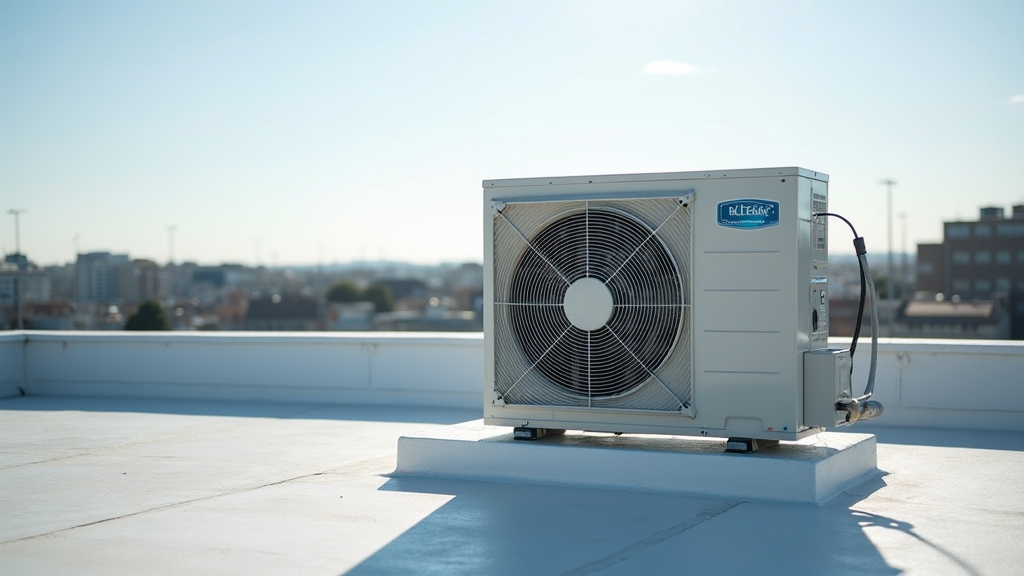
Key Takeaways
- Austin’s HVAC market is thriving, with a growing demand for energy-efficient and smart home integration solutions.
- Regular maintenance and upgrades are key to reducing energy costs and improving indoor air quality for Austin residents.
- Local businesses specializing in HVAC services are increasingly adopting advanced technologies to stay competitive.
- The city’s diverse climate requires versatile HVAC systems designed for both heat and humidity mitigation.
- Investing in high-quality, properly sized HVAC equipment can significantly enhance home comfort and resale value.
- Staying informed about industry regulations and trends is crucial for Austin’s HVAC professionals to ensure compliance and customer satisfaction.
- Sustainable HVAC practices, such as using eco-friendly refrigerants, contribute to Austin’s environmental goals.
At a glanceHVAC Austin offers expert heating, ventilation, and air conditioning services tailored to local needs. With a focus on efficiency and comfort, we install, maintain, and repair systems for homes and businesses, ensuring optimal indoor environments year-round. Trust us for reliable solutions that keep Austin cool in summer and warm in winter.
In the heart of Texas, Austin stands out not just for its vibrant culture but also for its stringent climate demands, making HVAC (Heating, Ventilation, and Air Conditioning) systems crucial to comfort and energy efficiency. With scorching summers and chilly winters, homeowners and businesses alike require reliable, state-of-the-art HVAC solutions tailored to Austin’s unique conditions. This article delves into the intricacies of HVAC in Austin, addressing common challenges and highlighting innovative strategies that promise enhanced indoor environments while promoting sustainable practices. Prepare to unlock the secrets to optimal comfort year-round.
Deck Builders in Austin: Where to Start
Looking for deck builders in Austin, TX? home addition contractors serves the local area and can answer questions specific to Austin.
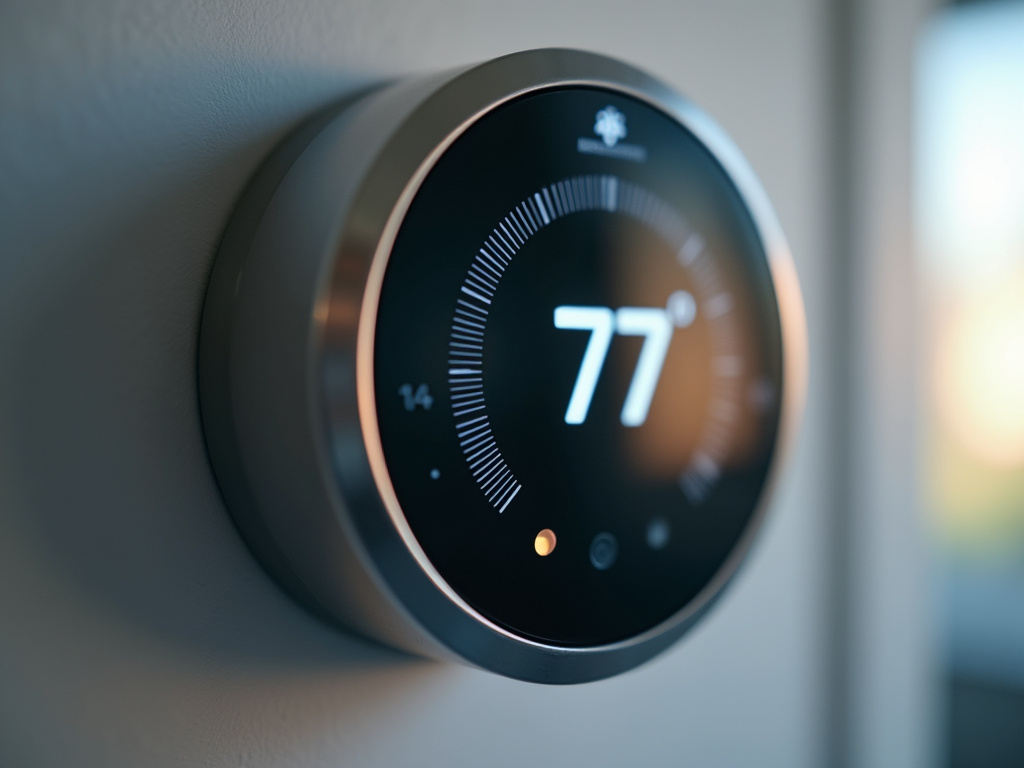
Understanding HVAC Systems in Austin: Basics and Benefits
Understanding HVAC Systems in Austin: A Comprehensive Guide
In Austin, Texas, where the climate varies from sweltering summers to mild winters, a well-functioning Heating, Ventilation, and Air Conditioning (HVAC) system is more than just a luxury—it’s a necessity. To ensure optimal comfort and air quality in your home or business, understanding the basics and benefits of HVAC systems is crucial. This guide delves into the essentials, providing insights into what makes an HVAC system a valuable investment in the Austin climate.
The $5000 rule, a common industry guideline, suggests that homeowners budget at least $5000 for a new HVAC system, encompassing installation, equipment, and labor costs. In Austin, the average replacement cost for an HVAC system ranges between $4000 and $6000, depending on the size of the property and the efficiency of the new system. This investment is not just about comfort; it’s a strategic decision to enhance energy efficiency, reduce utility bills, and prolong the life of your equipment. When choosing the best HVAC company in Austin, consider reputation, certifications, and customer reviews to ensure a job well done.
The HVAC process involves several key steps: assessment, design, installation, and maintenance. During assessment, professionals evaluate your space, identify specific needs, and recommend suitable equipment. Installation requires precise sizing and placement of units, ensuring optimal performance. Regular maintenance, such as cleaning and filter changes, is vital to keep systems running efficiently. In Austin, where extreme temperatures can put a strain on HVAC systems, proactive maintenance can prevent costly breakdowns.
To qualify for HVAC upgrades in Austin, homeowners should consider energy-efficient options and meet local building codes. The city offers incentives and rebates for energy-efficient appliances, making it a financially smart choice. Despite initial costs, HVAC systems are worth the investment due to their longevity and energy savings. However, Austin residents should steer clear of outdated or poorly installed systems, which can lead to inefficient operation and high utility bills. Alternatives like natural cooling methods can be explored, but they may not provide the same level of comfort and control as modern HVAC systems.
Selecting the Right HVAC Service for Your Austin Home or Business
Selecting the right HVAC service for your Austin home or business is crucial, as it directly impacts comfort, energy efficiency, and long-term savings. With numerous HVAC Austin options available, understanding what sets companies apart is essential. When evaluating which HVAC company in Austin to trust, consider the following key factors.
One widely recognized metric is the $5000 rule: a good HVAC system should last approximately 15-20 years, making initial investment per year around $500. This rule of thumb helps gauge whether a company’s pricing aligns with quality and longevity. According to recent market surveys, the average cost to replace an HVAC system in Austin, Texas ranges from $4000 to $7000, depending on the unit size, efficiency, and specific needs. While this may seem like a significant expense, it pales in comparison to the ongoing energy savings and comfort improvements.
The HVAC Austin process involves several steps: assessment, design, installation, and maintenance. Reputable companies will start with a thorough inspection of your space, considering factors like insulation, ductwork, and existing systems. They’ll then design an efficient system tailored to your needs before installing it promptly and ensuring proper testing. Post-installation, ongoing maintenance is vital; professionals offer regular check-ups to guarantee optimal performance and prolong equipment lifespan.
To qualify for HVAC Austin services, you typically need: a valid property ownership or lease agreement, proof of insurance, and approval from local building departments if modifications are required. Is HVAC Austin worth the investment? Absolutely, given the region’s hot summers and cold winters. Proper heating and cooling systems can reduce energy bills by 20-50%, enhance indoor air quality, and prevent costly breakdowns. However, be wary of low-ball quotes or promises of quick fixes; opt for companies with proven track records and satisfied customer reviews. Alternatives exist, such as upgrading to smart thermostats or implementing energy-efficient practices, but a well-chosen HVAC Austin system remains the most comprehensive solution.
| Factor | What to know |
|---|---|
| Replacement cost | Ranges from $4000 to $7000 depending on size and efficiency |
| System lifespan | Good HVAC system lasts approximately 15-20 years |
| Energy savings | Proper systems can reduce energy bills by 20-50% |
| Process steps | Assessment, design, installation, then ongoing maintenance |
| Choosing a company | Check reputation, certifications, and customer reviews |
| Qualification requirements | Need property ownership/lease, insurance, and building department approval |
Optimizing Energy Efficiency with Top HVAC Practices in Austin
In Austin, Texas, optimizing energy efficiency with top HVAC (Heating, Ventilation, and Air Conditioning) practices has become a critical component of sustainable living. The right HVAC system can significantly reduce energy consumption, lower utility bills, and create a comfortable indoor environment. When considering HVAC Austin, it’s essential to understand the industry standards and best practices that ensure both effectiveness and cost-efficiency.
One notable aspect is the $5000 rule, which suggests that for every $1000 spent on an HVAC system upgrade, there can be up to a 10% reduction in energy consumption. This underscores the potential ROI of investing in high-efficiency systems. According to recent studies, the average cost to replace an HVAC system in Austin typically ranges between $5000 and $8000, depending on the size of the property and the type of unit chosen. When selecting a HVAC company in Austin, look for professionals who offer energy-efficient options and are well-versed in local building codes and incentives.
The HVAC Austin process involves several key steps: assessment, design, installation, and maintenance. During assessment, experts evaluate your home’s insulation, ductwork, and existing system to identify areas for improvement. Design entails crafting a tailored plan to meet energy efficiency goals while ensuring optimal comfort levels. Installation requires skilled technicians to set up the new system correctly, and ongoing maintenance is crucial to keep the system running efficiently and prolong its lifespan. To qualify for HVAC Austin benefits, homeowners may need to meet certain criteria related to home insulation, window sealing, and other energy-saving measures.
While HVAC Austin offers numerous advantages, it’s not always the sole solution. Alternatives like programmable thermostats, smart home technology, and improved insulation can also enhance energy efficiency. Moreover, some homeowners may find that minor adjustments, such as regular filter changes and proper ventilation, are sufficient to maintain comfort without a complete system replacement. Ultimately, whether HVAC Austin is worth it depends on individual needs, budget, and long-term energy savings goals. Avoiding common problems like neglecting regular maintenance or selecting an incorrect system size can ensure your investment yields optimal results.
Frequently Asked Questions About HVAC Austin
What is HVAC and why is it important in Austin’s climate?
HVAC stands for Heating, Ventilation, and Air Conditioning. In Austin’s hot and humid climate, a well-functioning HVAC system is crucial for maintaining comfortable indoor temperatures. It ensures fresh air circulation, removes humidity, and provides warmth during cooler months. Proper HVAC maintenance can enhance energy efficiency, reduce utility bills, and prolong the lifespan of your equipment.
How do I choose the right HVAC system for my Austin home?
When selecting an HVAC system, consider factors like the size of your home, insulation, and energy efficiency ratings. Consult with professionals to assess your needs. They will help you choose between central systems, ductless mini-splits, or heat pumps, ensuring the best fit for your budget and comfort.
What are the benefits of regular HVAC maintenance?
Regular maintenance, typically annual or semi-annual, ensures optimal system performance and longevity. It includes cleaning, inspecting, and adjusting components. Benefits include improved energy efficiency, reduced repair costs, and enhanced indoor air quality, as well as extending the lifespan of your HVAC unit.
Can I DIY my HVAC installation or repairs?
While some basic maintenance tasks can be DIY, complex installations and repairs should be left to certified professionals. HVAC systems require specialized knowledge and tools. Improper installation or repairs can lead to energy inefficiencies, system malfunctions, or even safety hazards.
How much does HVAC installation cost in Austin?
Installation costs vary based on the system size, type, and complexity of your home’s ductwork. On average, it can range from $4,000 to $15,000 or more. Tax credits and rebates may be available to offset these costs. It’s advisable to obtain quotes from multiple reputable contractors.
What energy-saving tips can I implement with my HVAC system?
To enhance energy efficiency, consider these tips: program a thermostat to lower temperatures when you’re away, use programmable thermostats, regularly change air filters, seal air leaks, and maintain your system. Additionally, upgrading to a more efficient system and proper insulation can significantly reduce energy bills.
By delving into the world of HVAC Austin, readers have gained invaluable insights into optimizing their indoor comfort and energy efficiency. Understanding the basics and benefits of these systems is the first step towards making informed decisions. Selecting a reputable HVAC service provider in Austin is crucial, ensuring professional installation and maintenance for long-lasting results. Embracing top practices, such as regular maintenance and smart thermostats, allows homeowners and businesses to maximize energy conservation and reduce costs. These key takeaways empower individuals to navigate the complex landscape of HVAC systems, fostering a sustainable and comfortable environment in Austin and beyond.
Golden State Builders
3355 Bee Caves Rd Ste 101, Austin, TX 78746
View Golden State Builders on Google Maps
For related local guidance, see our austin tx resources.