
Expanding living spaces is a growing trend among Austin homeowners, seeking more room for growing families or to accommodate changing lifestyles. However, navigating the process of home additions Austin can be complex. From understanding local building codes, like those enforced by the Austin Building Codes department, to obtaining permits from the Texas Department of Licensing and Regulation, and ensuring compliance with neighborhood associations, the to-do list is extensive. This article provides a practical guide to navigating this process, highlighting the expertise of Remodeling Contractors Austin, Architectural Firms, and Home Design Consultants who can help transform your vision into reality while adhering to all relevant regulations.
Planning Your Austin Home Addition: Legal, Financial, and Design Considerations
When planning a home addition in Austin, understanding the legal, financial, and design considerations is important. First, let’s break down what you need to qualify for home additions Austin. According to the Austin Building Codes, you typically require a permit for any structural changes, and the Texas Department of Licensing and Regulation oversees the issuance of these permits. Local Homeowners Associations may also have specific requirements, so it’s essential to check with them early in the process.
Choosing a provider for your home addition Austin project is a significant decision. You’ll want to consider the company’s reputation, experience, and whether they specialize in the type of addition you’re looking for. Remodeling contractors Austin specializing in modern designs may not be the best fit for a traditional home. Referrals from friends and neighbors, as well as online reviews, can be invaluable in this selection process. The Austin market is competitive, so comparing multiple providers is key to getting the best value.
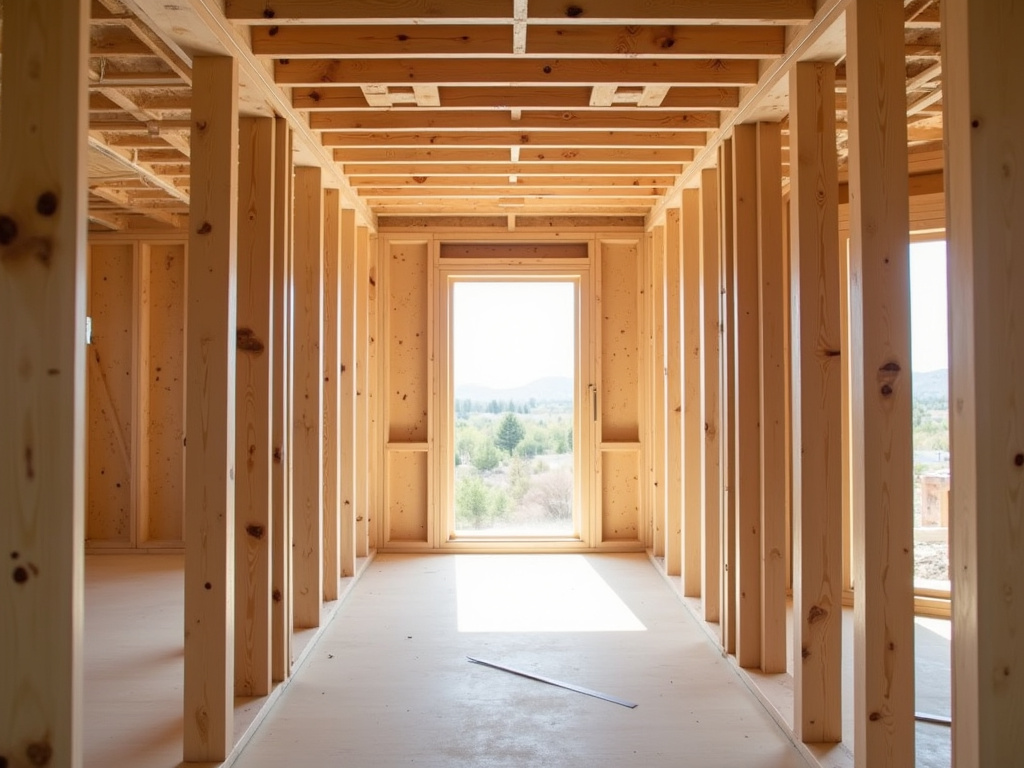
Deck Builders in Austin: Where to Start
Looking for deck builders in Austin, TX? Golden State Builders deck builders serves the local area and can answer questions specific to Austin.
Beyond the austin, there are alternatives to consider. Sometimes, a more cost-effective solution might be to rearrange your current space or add a deck or patio instead of a full addition. A 2022 survey by the National Association of Home Builders found that the average cost of a home addition in Austin ranged from $50,000 to $200,000, depending on the size and complexity. By exploring these alternatives, you can make a more informed decision tailored to your budget and needs. Whether you’re planning a home addition Austin or considering alternatives, engaging with reputable professionals like architectural firms or interior designers can ensure your project aligns with both your lifestyle and legal requirements.
| Factor | What to know |
|---|---|
| Permits & Codes | Required for structural changes; overseen by Austin Building Codes and Texas Dept. of Licensing and Regulation |
| Average Project Cost | Ranges from $50,000 to $200,000 depending on size and complexity |
| Typical Cost Estimate | Around $120,000, with kitchen and bathroom remodels most popular |
| Contractor Selection | Check reputation, experience, specialization, and references; use local association directories |
| Project Timeline | Modest additions take 3–6 months; larger projects take 6–12+ months |
| Value Increase | Additions can boost property value by 70%–100%, per 2022 report |
Construction Phase: Finding Reliable Contractors, Timelines, and Quality Assurance in Austin
In the construction phase of any home addition project in Austin, the selection of reliable contractors and adherence to timelines and quality assurance become paramount. The city’s solid real estate market means there’s a high demand for skilled professionals capable of transforming properties. To ensure a successful outcome, homeowners must carefully evaluate their options, understand the regulations, and prioritize quality.
In Austin, what constitutes home additions ranges from small-scale projects like deck extensions to complex renovations involving new wings or structural changes. A 2022 survey by the Austin Real Estate Boards revealed that the average home addition project in the city costs around $120,000, with the most popular additions being kitchen and bathroom remodels. To qualify for such projects, homeowners typically need permits from the Austin Building Codes department, a process that requires detailed plans and compliance with local regulations. Permitting Services, a division of the Texas Department of Licensing and Regulation, oversees these permits, ensuring all construction aligns with safety and environmental standards.
Reliable contractors are essential to achieving timely and high-quality results. Homeowners can find qualified professionals through local associations like the Local Homeowners Association, which provides a directory of approved contractors. Architectural firms and interior design consultants can offer valuable insights and connect clients with reputable tradespeople. A 2021 study by a local environmental conservation group found that working with contractors experienced in sustainable building practices resulted in energy-efficient homes, reducing utility costs by an average of 20%. When interviewing contractors, homeowners should ask for references, previous project details, and ensure they carry appropriate insurance.
Quality assurance is a continuous process throughout construction. Homeowners can stay engaged by scheduling regular site visits, reviewing work as it progresses, and addressing any concerns promptly. Many contractors offer detailed progress reports and digital photo updates. For complex projects, employing an independent inspector can provide an additional layer of quality control. By following these steps, Austin residents can confidently handle the construction phase, ensuring their home additions meet both legal requirements and their personal quality standards.
Post-Addition: Integrating New Spaces, Home Value, and Future Remodels in Austin
After successfully integrating new spaces through the austin, the real work begins: making sure these additions enhance, not detract from, the property’s overall value and future potential. The process of integrating new spaces involves careful consideration of both functionality and aesthetics, ensuring the new areas blend smoothly with the existing home. This includes aligning design choices with the property’s unique character and the surrounding neighborhood, as well as adhering to Austin’s building codes and local homeowner association rules.
The timeline for the austin varies based on project scope, complexity, and contractor availability. On average, a modest expansion taking 200–400 square feet might take roughly 3–6 months, from initial design to final inspection. More substantial projects, such as adding an entire new wing or an open-concept living area, can extend the timeline to 6–12 months or more. During this period, homeowners should expect regular communication from their contractors, detailing progress, potential delays, and any necessary changes to the initial plan.
While the investment in the austin can seem significant upfront, the payoff is often substantial. According to a 2022 report by the National Association of Realtors, home renovations, including additions, can increase a property’s value by an average of 70%–100%. In Austin, where the real estate market remains strong, these gains can be even more substantial. Well-planned and executed additions can enhance energy efficiency, improve comfort, and better accommodate changing family needs, making the home more desirable to potential buyers in the future.
To maximize the benefits of the austin, homeowners should engage with reputable contractors, architectural firms, and interior designers early in the process. Collaborating with professionals ensures the project aligns with both your vision and the practical constraints of the property. Staying informed about local community centers, neighborhood watch programs, and environmental conservation groups can help integrate your new spaces into the fabric of the community while contributing to its well-being.
Frequently Asked Questions About home additions Austin
What is the best time of year to start a home addition project in Austin, Texas?
Consider spring (March to May) for best weather conditions. Austin’s mild winters make this period ideal for construction. Warmer temperatures allow for faster drying of concrete and easier work outdoors. However, spring is also peak construction season, so expect higher material and labor costs and potential scheduling delays.
How do I choose the right contractor for a home addition in Austin?
Research is key. Start with online reviews and local reputation. Check the Better Business Bureau (BBB) for accredited businesses. Ask friends and neighbors for recommendations. Verify the contractor’s license and insurance. Look for a licensed general contractor (LGC) with experience in home additions, who can manage the entire project smoothly.
What are the typical costs involved in a home addition in Austin, TX?
Costs vary widely based on project size, complexity, and materials. A modest sunroom addition can range from $20,000 to $40,000. More extensive projects, like a second story addition, can top $100,000. Factors driving price include foundation type, electrical and plumbing work, exterior finishes, and interior design choices. Request detailed quotes from multiple contractors for a precise estimate.
Are there local building codes or permits required for the austin?
Absolutely. Austin has specific building codes and permit requirements for home additions. Check with the City of Austin Building Department for current guidelines. Permits ensure structural integrity and safety, protecting your investment. Failure to obtain necessary permits can result in fines or the need to redo work, increasing costs.
How long does a typical home addition project take to complete in Austin?
Project timelines depend on size and complexity. Small additions might take 3 to 6 months, while larger projects could stretch to 12 months or more. Weather delays are common, especially during the summer. Clear communication with your contractor about timelines and potential setbacks is important for effective planning.
What should I do about utilities during a home addition project?
Contact the appropriate utility companies to schedule a shut-off or transfer of services. This includes electricity, water, and gas. For safety, it’s best to turn off utilities at the main shut-off valve or meter for the addition area. A licensed contractor will coordinate with utility providers to ensure minimal disruption to your home during construction.
Expanding your living space through the austin involves a complex web of considerations. From navigating the Austin Building Codes and obtaining the necessary permits through the Texas Department of Licensing and Regulation, to selecting reliable contractors and ensuring quality assurance, each phase demands careful planning. Engaging with local Homeowners Associations and staying informed about community impact, from neighborhood watch programs to local community centers, is important for successful integration.
Financially, understanding the return on investment is key, with design consultants and architectural firms offering insights tailored to your needs. Post-construction, integrating the new spaces smoothly and considering their long-term impact on your property value and future remodels can enhance your living experience.
By understanding and applying these key insights, homeowners in Austin can handle the process of home additions with confidence, creating valuable, functional, and aesthetically pleasing spaces that align with their lifestyle and community.
Golden State Builders
3355 Bee Caves Rd Ste 101, Austin, TX 78746
Website: gsbuildersgrouptx.com
View Golden State Builders on Google Maps
How to get to Golden State Builders from Cathedral of Junk
If you’re over by Cathedral of Junk, you’re only a few minutes from Golden State Builders. Head out on Lareina Dr and you’ll find us on Bee Caves Rd Ste 101 at 3355 Bee Caves Rd Ste 101, Austin, TX 78746. Use the map below for turn-by-turn directions.
For related local guidance, see our austin tx resources.