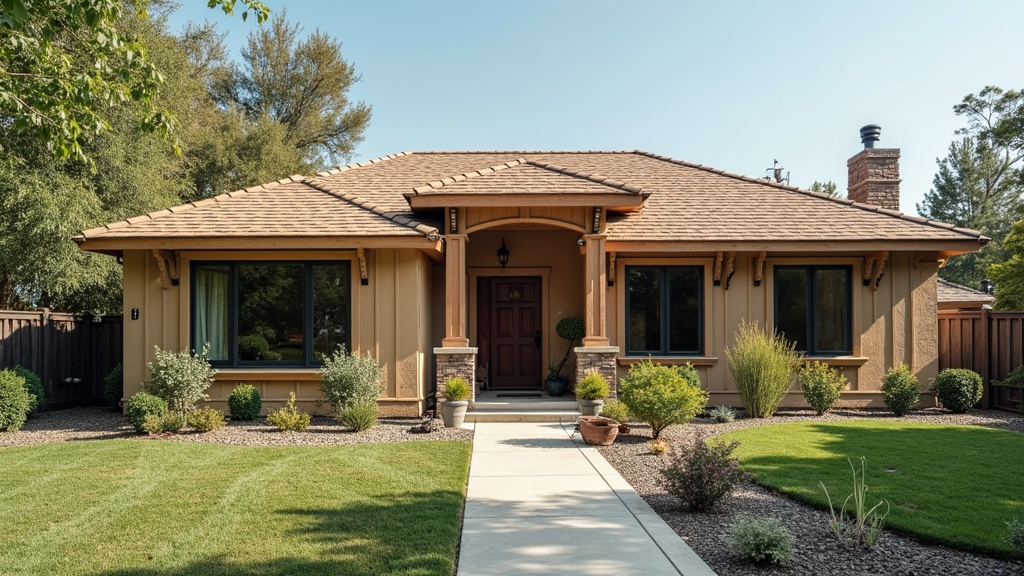
At a glanceSidings in Austin offer a range of options for homes and businesses, from traditional wood and vinyl to modern composite materials. Choosing the right siding depends on your climate, budget, and aesthetic preferences. Consider factors like durability, maintenance, and energy efficiency to make an informed decision that enhances your property’s value.
Key Takeaways
- Austin’s siding market is highly competitive, with numerous options available for homeowners.
- Vinyl and fiber cement are popular choices due to their durability and low maintenance requirements.
- Professional installation can significantly improve the longevity and aesthetic appeal of a home’s siding.
- Energy-efficient siding options can help reduce utility bills and increase home value.
- Regular inspection and maintenance of siding can prevent costly repairs and ensure optimal performance.
- Local regulations and building codes should be considered when choosing and installing new siding.
- Customized designs and colors allow homeowners to enhance their home’s curb appeal and personalize their space.
In the vibrant landscape of Austin, where innovation meets tradition, the choice of exterior cladding can significantly impact a property’s allure and durability. Among the diverse options available, siding stands out as a crucial element defining a home or building’s aesthetic and protective barrier. Specifically, in this context, siding Austin requires a deep understanding of local climates, architectural styles, and enduring materials. This article delves into the intricacies of selecting the right siding, offering valuable insights to navigate the process effectively. By the end, readers will grasp the importance of informed decisions for their Austin properties’ long-term success.
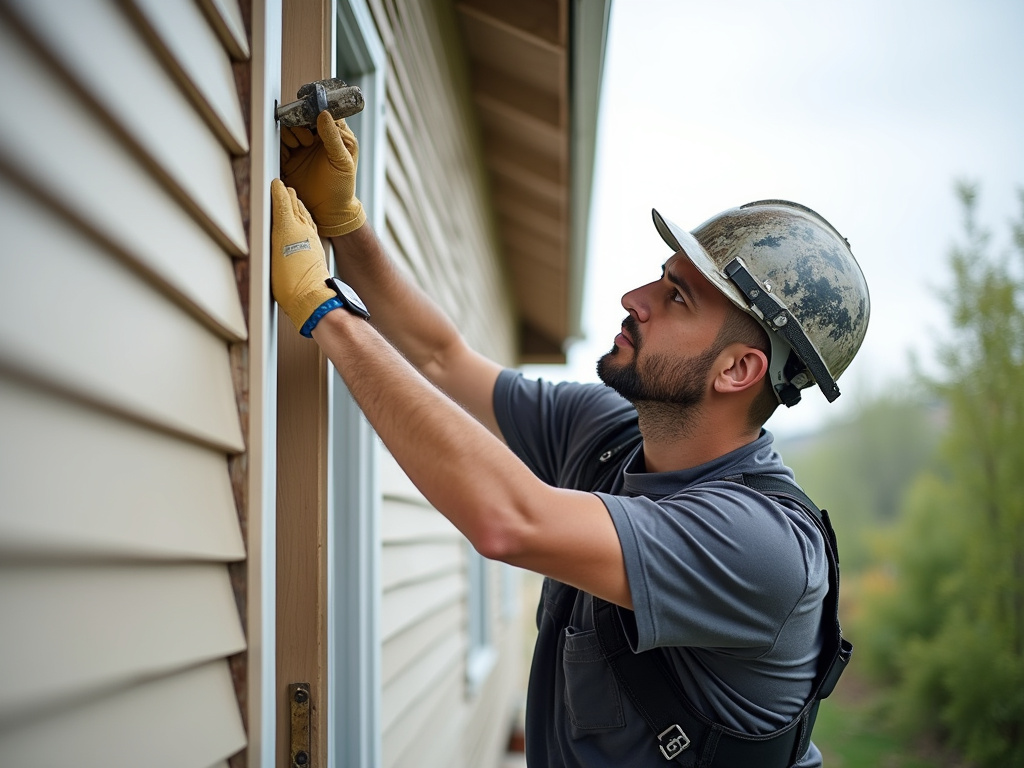
Siding Contractors in Austin: Where to Start
Looking for siding contractors in Austin, TX? home additions in Austin, TX serves the local area and can answer questions specific to Austin.
Understanding Siding Options in Austin
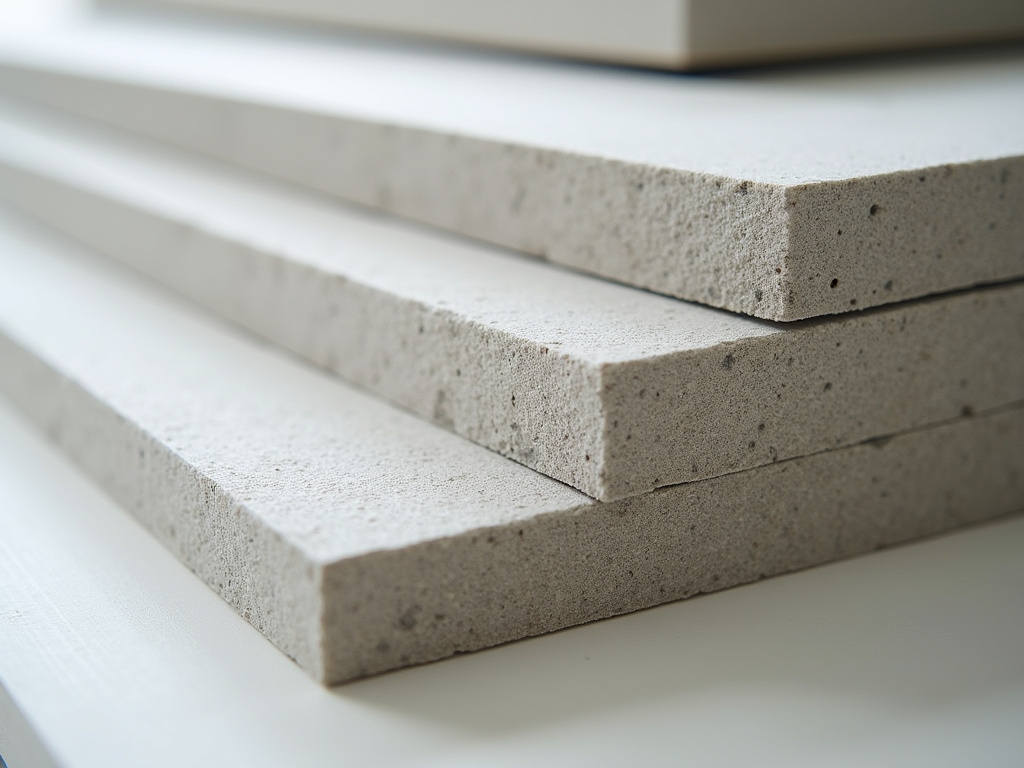
In Austin, understanding siding options is crucial for any homeowner looking to enhance their property’s curb appeal and longevity. The choice of siding plays a significant role in the overall aesthetic and durability of your Texas home. When considering siding Austin, several factors come into play. First, let’s discuss what makes for an ideal siding option: vinyl, fiber cement, or wood. Each material has its advantages—for instance, vinyl is low-maintenance but may not offer the same level of insulation as fiber cement. Wood, though requiring more upkeep, adds a timeless, natural charm to homes in this region.
The siding Austin process involves multiple steps. It begins with an assessment to determine the best fit based on your home’s architecture and local climate conditions. This is where local factors come into play; Austin’s unique microclimates necessitate tailored solutions. Next, removal of existing siding (if any), installation of underlayment, and securing the new siding are key phases. Quality craftsmanship ensures a tight seal, preventing water intrusion—a common problem to avoid in this humid climate.
To qualify for siding Austin, homes should meet certain criteria related to structure integrity and local building codes. It’s essential to consult with professionals who understand these requirements, ensuring compliance without compromising aesthetics. The process includes detailed planning, precise measuring, and expert installation, all tailored to your specific needs.
While siding Austin offers numerous benefits, including increased property value and reduced energy costs, it’s not without considerations. Problems like poor installation or using unsuitable materials can lead to moisture damage and mold growth. Moreover, some types of siding may not be compatible with historic homes, necessitating specialized techniques. Alternatives exist, such as stone veneer or metal siding, but these often come with higher price points. Ultimately, the decision should balance aesthetics, durability, and your budget, with local factors like weather patterns influencing the long-term success of your choice.
| Factor | What to know |
|---|---|
| Material choices | Vinyl, fiber cement, or wood, each with different maintenance and insulation traits |
| Climate suitability | Materials must withstand intense sun, high humidity, and temperature fluctuations |
| Installation timeline | Typically takes 1-2 weeks depending on property size and job complexity |
| Building code compliance | Homes must meet structural integrity and local code requirements to qualify |
| Common problems | Poor installation or unsuitable materials can cause moisture damage and mold |
| Alternative materials | Stone veneer, metal siding, brick, or stucco offer pricier alternatives |
Factors to Consider for Austin Siding Installation
Choosing the right siding for your Austin home is a crucial decision that requires careful consideration of several factors unique to our Texas climate and market. While siding Austin is a popular choice for homeowners looking to enhance curb appeal and protect their investment, not all siding types are created equal. In this section, we’ll guide you through the process, from understanding different siding options to navigating the installation itself, ensuring you make an informed decision that stands the test of time in our hot, humid environment.
The first step is identifying what is the best type of siding for a Texas home. Factors like durability, energy efficiency, maintenance requirements, and cost play a significant role. For Austin’s climate, long-lasting materials that can withstand intense sunlight, high humidity, and occasional temperature fluctuations are ideal. Fiber cement siding, known for its resilience and low maintenance, is a top choice among locals. Vinyl siding, another popular option, offers excellent insulation and resists fading, though it may require more frequent cleaning due to dust and pollen accumulation.
The siding Austin process involves several key steps. It begins with an on-site inspection to assess your home’s unique needs and determine the best siding solution. Next, a detailed quote outlining costs, materials, and installation timelines is provided. Installation itself typically takes 1-2 weeks depending on the size of your property and complexity of the job. Qualifying for siding Austin generally requires meeting certain criteria related to roof age, structural integrity, and local building code requirements. Consulting with reputable contractors specializing in siding Austin can help streamline this process and ensure compliance.
While siding Austin offers numerous benefits, including increased home value and reduced energy costs, there are potential drawbacks to be aware of. Extreme weather events like strong winds and hailstorms can damage even the sturdiest siding. Additionally, poor installation can lead to gaps or leaks over time, compromising energy efficiency. Alternatives to siding Austin include brick, stone, or stucco, each with its own advantages and disadvantages. Local factors, such as property line restrictions or zoning regulations, should also be considered before making a decision. Consulting with local experts familiar with the Austin market can help you navigate these nuances and make an informed choice that enhances your home’s beauty and resilience for years to come.
The Benefits and Maintenance of Austin Siding
Siding Austin offers a range of benefits tailored to the unique needs of Texas homeowners. The right siding not only enhances a home’s aesthetic appeal but also provides crucial protection against the region’s varying climates. In Austin, where temperatures fluctuate between scorching summers and mild winters, siding acts as a barrier, insulating homes and reducing energy costs. The best type of siding for a Texas home is often a combination of durability, low maintenance, and aesthetic appeal, with fiber cement and vinyl siding topping the list. They are both long-lasting, low-maintenance options, popular among Austin residents.
The siding Austin process involves several steps, from consultation and measurement to material selection, installation, and finally, quality assurance checks. It requires careful planning and consideration of factors like the home’s architecture, local weather patterns, and budget. To qualify for siding Austin services, homeowners should expect to discuss their needs with a professional, who will assess the property and provide recommendations. The process includes detailed measurements, allowing for precise material calculation and waste minimization.
Siding Austin includes not just the installation of new siding but also regular maintenance to ensure its longevity. This involves inspecting for damages, such as cracks, peeling, or loose boards, and promptly addressing them. While siding can last for decades with proper care, neglecting maintenance can lead to problems like water damage, mold growth, and reduced energy efficiency. Cost-wise, siding Austin is a worthwhile investment. While initial costs can be significant, the long-term savings on energy bills and reduced maintenance expenses make it a cost-effective choice.
Alternatives to siding Austin include brick, stone, or traditional wood siding. However, these options often come with higher maintenance requirements and may not offer the same level of insulation benefits as modern siding materials. Local factors, such as wind patterns, extreme temperatures, and sunlight exposure, significantly affect the choice of siding in Austin. Homeowners should consider these factors to ensure their siding choice is well-suited to the local climate. For instance, areas prone to strong winds may require more durable siding, while homes in sun-drenched regions might benefit from materials that reflect sunlight to reduce heat absorption.
Frequently Asked Questions About siding Austin
What is siding and why do I need it in Austin?
Siding is an exterior covering for a building, typically made from materials like vinyl, wood, or fiber cement. It protects your home from the elements, adds aesthetic appeal, and can significantly increase energy efficiency. In Austin’s diverse climate, siding helps guard against intense sun, heavy rains, and occasional freezes, ensuring your home stays comfortable and secure.
How do I choose the right siding for my Austin home?
Consider factors like climate, budget, maintenance preferences, and architectural style. For example, vinyl is low-maintenance and affordable, while wood offers natural beauty but requires more upkeep. Fiber cement is durable and fire-resistant. Consult with professionals to assess your needs and select a material that aligns with your home’s design and longevity goals.
How long does siding installation take in Austin?
Installation time varies depending on the size and complexity of your project, but typically ranges from 1 to 3 days. Professionals will remove old siding, prepare surfaces, install new materials, and perform final inspections, ensuring a high-quality finish that protects your home for years to come.
Is there any maintenance required for Austin siding?
Regular cleaning and inspection are essential. Remove debris, check for damage or loose panels, and repaint or restain as needed. For vinyl siding, use mild soap and water; wood requires occasional staining; fiber cement is low-maintenance beyond initial installation. Timely maintenance ensures your siding stays in top condition.
Can siding be installed during Austin’s hot summer months?
Absolutely! Austin’s summers are designed for exterior construction. Professional installers are equipped to work efficiently in high temperatures, using strategies like shade structures and water to prevent overheating. Quality materials and expert installation ensure your new siding performs well regardless of the season.
What guarantees come with Austin siding installations?
Manufacturers typically offer warranties ranging from 25 to 50 years for vinyl and fiber cement siding. Wood products may have shorter warranties. Your installer should provide a work guarantee, ensuring satisfaction and addressing any issues promptly. These guarantees give you peace of mind and protect your investment.
How do I get started with siding replacement or installation in Austin?
Contact reputable local contractors known for their siding expertise. Request estimates, compare options, and discuss your project goals. They’ll guide you through the process, from design and material selection to scheduling and final inspection, ensuring a seamless and satisfying experience.
In conclusion, choosing the right siding for your Austin home is a significant decision that impacts both aesthetics and longevity. By understanding the diverse siding options available in Austin, considering crucial installation factors, and recognizing the benefits and maintenance requirements, homeowners can make informed choices. The article has equipped readers with valuable insights, enabling them to navigate the process confidently, ensuring their siding decisions align with Austin’s unique climate and architectural preferences. Armed with this knowledge, homeowners are now ready to embark on transforming their properties into vibrant, durable, and visually appealing spaces that stand the test of time in siding Austin.
Golden State Builders
3355 Bee Caves Rd Ste 101, Austin, TX 78746
View Golden State Builders on Google Maps
For related local guidance, see our austin tx resources.