Key Takeaways
- Austin’s siding market is characterized by diverse options, catering to various architectural styles and personal tastes.
- Local regulations and building codes significantly influence the types of materials and designs approved for residential siding.
- Energy-efficient siding materials are gaining popularity due to their environmental benefits and potential long-term cost savings.
- Professional installation services ensure better results, longevity, and warranty coverage compared to DIY projects.
- Regular maintenance, including cleaning and inspection, is crucial for extending the lifespan and aesthetic appeal of exterior siding.
- The cost of siding varies widely based on material type, complexity of installation, and size of the project.
- Understanding climate and weather patterns helps in choosing suitable siding materials that withstand Austin’s unique environmental challenges.
At a glanceSidings in Austin offer a range of options for both residential and commercial properties. Popular choices include vinyl siding known for its durability and low maintenance, wood siding adding natural beauty and value, and fiber cement siding resistant to rot and pests. The best siding depends on your style, budget, and climate considerations.
In the vibrant landscape of Austin, Texas, where the hustle and bustle of a thriving metropolis meets the unique charm of a beloved cultural hub, one often-overlooked element plays a crucial role in defining homes and businesses: siding. Austin’s diverse climate, with its humid summers and mild winters, presents a challenge for traditional siding materials, necessitating durable, weather-resistant options. This article delves into the world of siding Austin, offering a comprehensive guide to navigating the local climate, understanding material choices, and ensuring your property stands the test of time, all while enhancing its aesthetic appeal.
Deck Builders in Austin: Where to Start
Looking for deck builders in Austin, TX? Golden State Builders serves the local area and can answer questions specific to Austin.
Understanding Siding Austin: Materials & Options
Understanding Siding Austin: Materials & Options
When considering siding Austin, Texas homeowners have a wide range of materials and styles to choose from. The best type of siding for a Texas home often depends on factors like climate, budget, and aesthetic preferences. In siding Austin, fiber cement is a popular choice due to its durability, low maintenance, and resistance to extreme weather conditions typical in the region. Other options include vinyl siding, known for its affordability and ease of installation, and wood siding, which offers natural beauty but requires more upkeep.
The siding Austin process involves several steps. First, homeowners need to assess their home’s exterior to determine the scope of work. This includes measuring the walls and deciding on the type and style of siding. Next, qualified contractors from reputable siding Austin companies will provide estimates and install the chosen material. It’s crucial to ensure that your home meets certain criteria to qualify for siding Austin services. Factors like structural integrity, proper drainage, and adequate preparation of the existing surface are essential to guarantee a durable finish.
Siding Austin typically includes not just the material but also labor, project management, and sometimes even permits. The cost can vary significantly based on the materials selected and the size of your home. While siding Austin may seem like a significant investment, it offers several benefits. Properly installed siding can enhance your home’s curb appeal, protect against weather damage, and potentially increase its resale value. However, it’s important to avoid common problems such as poor installation leading to leaks or air pockets, which can compromise the effectiveness of the siding over time.
Alternatives to siding Austin include brick, stone, or stucco. These materials offer distinct aesthetics but may be more expensive and require specialized installation. Local factors like climate changes, local building codes, and access to specific materials can significantly affect your choice of siding in Austin. For instance, a growing focus on energy efficiency has led many homeowners to opt for insulated vinyl siding, which provides both cost savings and improved home comfort. In conclusion, understanding your options and choosing the right material and contractor is key to ensuring a successful siding Austin project.
Installation & Maintenance: A Step-by-Step Guide
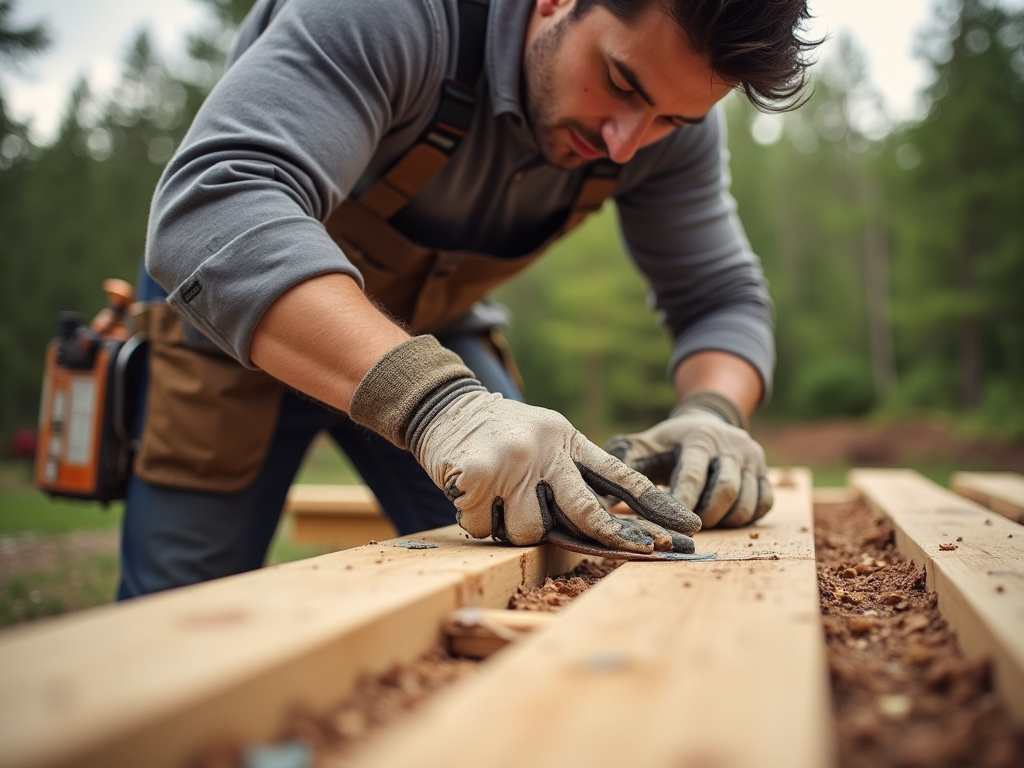
Installing and maintaining siding on a Texas home, particularly in Austin, is a significant investment that requires careful consideration. The process involves a series of steps that, when executed correctly, can transform a house into a visually appealing and durable structure. First, understanding the best type of siding for a Texas home is crucial. In Austin, clay tile and fiber cement are popular choices due to their resistance to harsh weather conditions and low maintenance requirements. These materials also contribute to energy efficiency, a growing concern for many homeowners.
The siding Austin process involves several key stages. It starts with preparation, which includes inspecting the existing siding, repairing or replacing damaged areas, and ensuring the surface is clean and dry. Next, measurements are taken to ensure accurate material ordering. Once the materials are ready, installation begins, typically involving specialized tools and techniques to guarantee a secure fit. Professional contractors in Austin are well-versed in these methods, ensuring longevity and aesthetic appeal. However, qualifying for siding Austin requires adherence to local building codes and standards, which can vary based on neighborhood and property type.
Despite its numerous benefits, siding Austin is not without considerations. Homeowners should be aware of potential problems like improper installation leading to water damage or inadequate insulation causing energy inefficiency. To avoid these, it’s essential to hire reputable contractors with experience in Austin’s unique climate and local factors. Moreover, while siding offers durability, it’s not eternal; regular maintenance, including cleaning and inspection, is necessary to preserve its condition. Alternatives to siding Austin include stucco, wood, or vinyl, each with its advantages and drawbacks. Ultimately, the decision should align with the home’s architectural style, maintenance preferences, and budget.
| Factor | What to know |
|---|---|
| Vinyl siding | Affordable, durable, low maintenance, easy installation |
| Fiber cement siding | Resistant to rot, pests, and extreme weather |
| Wood siding | Adds natural beauty and value, needs more upkeep |
| Professional installation | Ensures longevity, better results, and warranty coverage |
| Regular maintenance | Cleaning and inspection extend siding lifespan |
| Local building codes | Influence approved materials and design choices |
Enhancing Your Home with Stylish Austin Siding Choices
Choosing the right siding for your Austin home is a significant decision that can dramatically enhance its curb appeal and overall value. When considering siding Austin, understanding the local climate and aesthetics is crucial. Texas’ hot summers and occasional winters require durable materials that can withstand extreme temperatures. Fiber cement siding, for instance, is a popular choice in Austin due to its low maintenance, resistance to rot, and excellent insulation properties. This versatile material offers a wide range of styles, from traditional lap siding to more contemporary shapes, ensuring you can find a design that complements your home’s architecture.
The siding Austin process involves several steps, including preparing the surface, installing corners and corners, and ensuring proper ventilation. It’s a detailed project that requires careful planning and skilled labor. To qualify for siding Austin, homeowners should aim for a well-prepared exterior, free from mold, mildew, or existing damage. This includes repairing any necessary areas and ensuring the substrate is level and solid. During the installation, professionals will measure, cut, and attach the siding panels, creating a seamless finish. In Austin, where local weather conditions can vary, it’s essential to choose siding that can adapt. This might include selecting materials with UV protection to prevent fading, or choosing styles that offer better wind resistance.
While siding Austin offers numerous benefits, such as increased energy efficiency and reduced maintenance, there are potential drawbacks to avoid. Poor installation can lead to gaps, allowing water penetration and moisture-related issues. Additionally, not all siding materials are created equal; low-quality options may not last as long or withstand harsh conditions. It’s worth noting that while siding Austin can enhance your home’s value, it’s not a quick fix. Regular maintenance, including cleaning and repairs, is necessary to keep it looking its best. Alternatives to siding Austin include brick, stone, or wood, each offering unique aesthetics and benefits. However, these options may require more specialized care and could be more expensive. Local factors, such as building codes and neighborhood aesthetics, should also guide your decision, ensuring your siding choices fit within the established guidelines and maintain the neighborhood’s character.
Frequently Asked Questions About siding Austin
What is siding, and why do I need it in Austin?
Siding is an exterior cladding material that covers the walls of a building. It offers protection from the elements, improves energy efficiency by insulating against heat transfer, reduces noise pollution, and enhances the aesthetic appeal of your home or property. In hot, humid Austin, quality siding can also prevent warping and damage caused by extreme temperatures.
What are the different types of siding available in Austin?
There are various siding options available, each with unique advantages: vinyl siding is low-maintenance and cost-effective; fiber cement siding offers excellent durability and fire resistance; wood siding adds natural beauty and warmth but requires more upkeep; and stucco siding is popular for its strength and ability to create a seamless, finished look.
How do I choose the best siding for my Austin home?
Consider your climate, budget, maintenance preferences, and architectural style when choosing. Consult with professionals who can assess your property’s needs and provide tailored recommendations. Look at samples or installed projects in your area to visualize how different sidings appear in real-life settings.
What are the benefits of professional siding installation?
Professional installation ensures precise fitting, proper sealing, and adherence to manufacturer guidelines for warranties. Skilled installers can identify potential issues like improper measurements or structural problems that might lead to future damage. They also ensure a neater, more uniform finish, enhancing your home’s curb appeal.
How long does siding typically last in Austin’s climate?
The lifespan of siding varies by material and quality: vinyl and fiber cement siding often last 30-50 years; wood can last 15-25 years with proper maintenance; and stucco typically endures for 10-20 years. Regular cleaning, inspection, and repairs extend the life of your siding, protecting your investment against weather damage.
Are there energy-efficient siding options available in Austin?
Absolutely! Energy-efficient siding materials like foam-backed vinyl or insulated fiber cement can significantly improve insulation properties. These help regulate indoor temperatures, reducing heating and cooling costs throughout the year. Many utility companies also offer rebates or incentives for installing energy-efficient siding.
How do I maintain my newly installed siding?
Regular washing with mild soap and water is usually sufficient to keep your siding clean and in good condition. Inspect it periodically for loose boards, damaged areas, or signs of deterioration. Repairs are typically simple and can be done using a putty knife, new siding panels, and appropriate adhesive.
In conclusion, this comprehensive guide on siding Austin has equipped homeowners with the knowledge to make informed decisions about enhancing their properties. By understanding the diverse materials and styling options available, from traditional to modern, residents can select the perfect siding that aligns with their aesthetic preferences and increases their home’s value. The step-by-step installation and maintenance guide ensures that the process is manageable, while highlighting the importance of proper care for long-lasting results. With these insights, homeowners in Austin can confidently navigate the market, choose the ideal siding, and transform their homes into stunning, enduring structures that reflect their unique personalities.
Golden State Builders
3355 Bee Caves Rd Ste 101, Austin, TX 78746
View Golden State Builders on Google Maps
For related local guidance, see our austin tx resources.