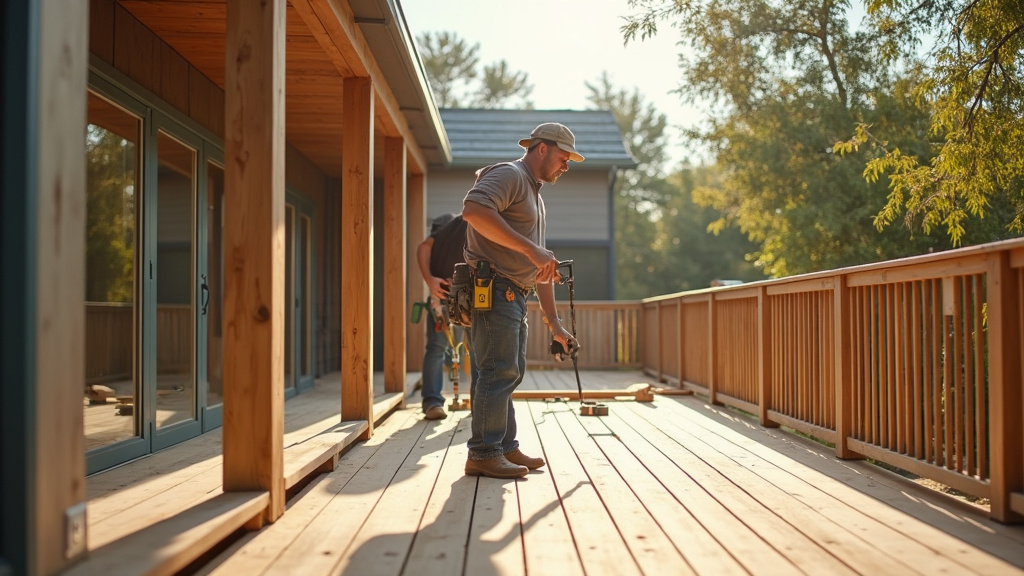
Decks Austin are not just outdoor structures; they’re extensions of home and community life. Yet, designing and building a deck involves navigating legal permits, ensuring structural integrity, and selecting materials that withstand Texas’ diverse climate. This is especially challenging for homeowners, who may not be aware of local building codes or the intricacies of deck construction.
The Austin Deck Builders Association, in collaboration with the Texas Department of Licensing and Regulation, plays an important role in standardizing the industry, providing a safety net through Homeowners Warranty Programs. This article examines the process of creating a functional, beautiful, and legally compliant deck in Austin, leveraging insights from local professionals and community organizations.
By understanding these factors, you can transform your outdoor space into a safe, valuable asset, enhancing your quality of life and the value of your property.
Planning and Designing Decks for Austin's Climate
In Austin, designing and planning decks requires a nuanced understanding of the local climate and environmental conditions. The city’s hot, humid summers and mild winters present unique challenges and opportunities for outdoor living spaces. First, let’s examine what qualifies a project for the austin-specific standards. According to the Texas Department of Licensing and Regulation, deck builders must adhere to Local Building Codes, which consider factors like wind load, snow load, and structural integrity, especially in areas prone to severe weather events. The Austin Deck Builders Association (ADBA) provides resources and guidance on these requirements, ensuring that the austin are safe and compliant.
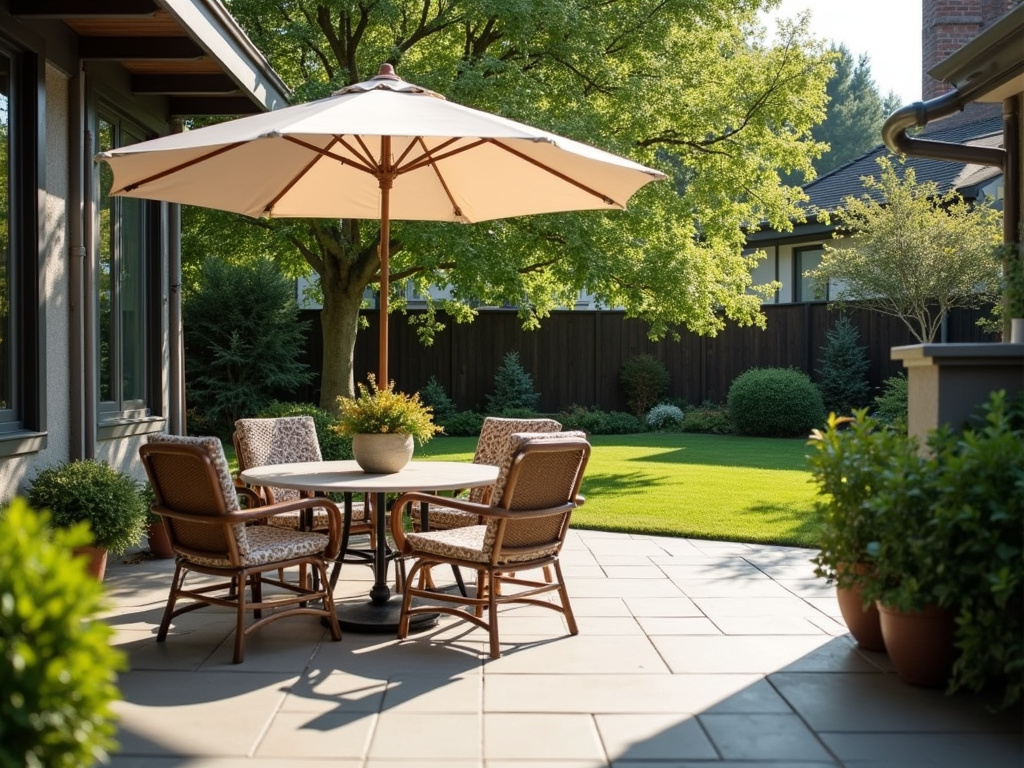
Deck Builders in Austin: Where to Start
Looking for deck builders in Austin, TX? deck and patio builders serves the local area and can answer questions specific to Austin.
The austin process involves several steps, including site analysis, design, material selection, and construction. Site analysis considers the location’s sunlight exposure, shade patterns, and potential flooding or drainage issues. In low-lying areas, builders must account for water runoff and ensure adequate drainage systems. The design phase uses the region’s climate to maximize functionality and aesthetics. Local Deck Design Studios often incorporate elements like shaded patios, built-in benches, and waterproof decking materials to create outdoor spaces that are both comfortable and durable.
One critical aspect to avoid with the austin is poor material selection and installation. Extreme temperatures can cause some materials to expand or contract, leading to structural issues over time. Untreated wood may warp or crack under the sun’s heat, while certain composite materials can degrade when exposed to UV radiation. Landscaping Companies and Home Improvement Retailers alike recommend using weather-resistant materials, such as treated lumber or composite decking, and ensuring proper installation to mitigate these problems. Property management firms emphasize the importance of regular maintenance, including sealing and staining, to prolong the lifespan of the austin and protect against the elements.
| Factor | What to know |
|---|---|
| Local building codes | Must follow Texas Dept. of Licensing and Regulation standards for wind load, structural integrity |
| Material selection | Treated lumber, composite, and vinyl offer different durability and maintenance needs |
| Builder credentials | Choose contractors in ADBA and licensed by TDLR for safety and compliance |
| Average cost | Deck construction in Texas ranges from $5,000 to $15,000 per 2020 survey |
| Regular maintenance | Annual inspection, power washing, sealing, and staining extend deck lifespan |
| Warranty protection | Homeowners Warranty Programs cover material or workmanship defects for a set period |
Choosing Materials and Contractors for Best Decks Austin
For choosing materials and contractors for your the austin, the process involves more than just selecting wood or hiring the cheapest offer. You’re investing in outdoor living, so quality and safety should be your top priorities. The austin market offers a wide array of options, from eco-friendly composite materials to traditional wood, each with its pros and cons. While wood is aesthetically versatile and suits various design styles, it requires regular maintenance to prevent rot and pest damage, which can be costly. On the other hand, composite materials, often made from recycled plastic and wood fibers, are low-maintenance and resistant to rot and UV degradation, but their upfront cost is typically higher.
What problems should you avoid with the austin? The most common issues include poor structural design, subpar materials, and inadequate installation. To mitigate these, engage a deck builder who’s a member of the Austin Deck Builders Association (ADBA) and licensed by the Texas Department of Licensing and Regulation (TDLR). Reputable contractors adhere to local building codes and industry standards, ensuring your deck is safe and durable. Also, consider enrolling your deck in a homeowners warranty program, which can protect you from costly repairs due to material or workmanship issues.
The austin process isn’t just about construction; it encompasses design, planning, and ongoing maintenance. Collaborate with local deck design studios and landscaping companies to create a functional and aesthetically pleasing space that complements your home. Property management firms can also be valuable partners, especially if you’re investing in a rental property or a short-term rental. Engaging community-focused non-profit organizations or local parks departments can add value to your deck by incorporating sustainable or community-access features, enhancing your investment’s impact and longevity.

Maintenance and Longevity: Ensuring Your Deck's Success in Austin
In the competitive Austin market, understanding the nuances of the austin goes beyond basic construction. Maintenance and longevity are critical factors that directly impact the success and value of your investment. The austin, when properly cared for, can last for decades, serving as a functional and aesthetically pleasing addition to your home.
The first step in ensuring the longevity of your deck involves understanding what the austin actually entails—a combination of materials, design, and local regulations. Local building codes, enforced by the Texas Department of Licensing and Regulation, dictate safe construction practices. Austin Deck Builders Association members adhere to these codes, ensuring structural integrity. The choice of materials is also important. Treated lumber, composite boards, and vinyl are popular options, each with varying maintenance requirements. According to a 2020 survey by HomeAdvisor, the average cost to build a deck in Texas ranges from $5,000 to $15,000, depending on size and material.
Regular maintenance is the unsung hero of deck longevity. Inspect your deck annually for signs of wear, such as warped boards or loose fasteners. Addressing these issues promptly prevents more serious problems. Power washing, sealing, and staining are essential maintenance tasks, particularly in Austin’s hot, humid climate. A semi-transparent stain provides a protective barrier against UV rays and moisture. Homeowners Warranty Programs, offered by some deck builders, can also provide peace of mind by covering material defects and installation issues for a set period.
Finally, be mindful of common problems to avoid with the austin. Water damage, for instance, can cause wood to rot or warp, compromising structural integrity. Proper drainage and a water-repellent finish can prevent this. Ignoring minor cracks or gaps can lead to larger, costlier repairs down the line. Regular care and proactive problem-solving are key to maintaining the beauty and functionality of your deck, ensuring it remains a valuable asset for years to come.
Frequently Asked Questions About Decks Austin
What is the best material for an Austin deck?
The best material for an Austin deck depends on your priorities: durability, budget, and aesthetics. Pressure-treated lumber is popular for its strength and longevity, suitable for structural integrity. Composite decking offers low maintenance and a more diverse color palette, ideal for visually appealing, low-upkeep decks. Hardwood, like Texas oak or cedar, provides a premium look but requires more maintenance and is more expensive.
How do I choose a deck contractor in Austin?
Research is key. Check online reviews, ask for referrals from friends, and review a contractor’s portfolio. Verify their licensing and insurance. Look for a contractor experienced in your deck’s design and size, who communicates clearly and offers a detailed estimate. Ensure they use high-quality materials and have a proven track record for timely completion and customer satisfaction.
What factors influence the cost of building a deck in Austin?
The cost varies based on deck size, materials, complexity of design, labor rates, and additional features. Larger decks require more materials and labor. Complex designs with custom features drive up costs. Material choices, like composite versus wood, also impact pricing. Permits and inspections add to the bottom line. Obtaining quotes from multiple contractors helps gauge the range.
When is the best time to build a deck in Austin?
The best time to build a deck in Austin is typically during the spring and early summer months, avoiding the extreme heat and humidity of summer’s peak. This period offers more favorable weather conditions, allowing for faster drying of materials and less risk of delays. It’s also when most contractors have the capacity to take on new projects.
How do I maintain my new Austin deck?
Regular cleaning and sealing extend your deck’s lifespan. Use a pressure washer to remove dirt and debris. Sealers protect against water damage and UV exposure, preserving the wood’s color and texture. Check for loose boards and nails regularly. Repaint or restain as needed to maintain aesthetics and protect the surface.
Are there local building codes for the austin?
Yes, Austin has building codes for decks, including minimum clearance from structures, maximum height, and safety railings. Permits are required for decks larger than certain square footage thresholds. Consult the City of Austin Building Department for specific regulations to ensure compliance and avoid structural issues.
As we conclude, it’s clear that creating and maintaining successful the austin involves a thoughtful blend of design, material selection, and meticulous upkeep. By understanding and adapting to Austin’s unique climate, engaging licensed professionals, and prioritizing maintenance, homeowners can enjoy durable and aesthetically pleasing outdoor spaces.
From the planning phase, considering local building codes and homeowners warranty programs, to the ongoing care, these steps ensure the longevity of any deck Austin. Engaging with local design studios, landscaping companies, and property management firms can provide valuable insights and expertise, while being mindful of community impact through non-profit collaborations and public park departments creates a positive ripple effect.
In the end, the success of any deck Austin project hinges on a complete approach, where each stage—from design to maintenance—is thoughtfully executed. This ensures not only a functional and beautiful space but also a significant contribution to the local community.
Golden State Builders
3355 Bee Caves Rd Ste 101, Austin, TX 78746
Website: gsbuildersgrouptx.com
View Golden State Builders on Google Maps
How to get to Golden State Builders from Butler Metro Park
Driving in from Butler Metro Park? Golden State Builders is close by. Head out on Barton Springs Rd and you’ll find us on Bee Caves Rd Ste 101 at 3355 Bee Caves Rd Ste 101, Austin, TX 78746. Use the map below for turn-by-turn directions.
For related local guidance, see our austin tx resources.